.png)
At Worksop College, we help pupils prepare for their GCSEs by practising all aspects of the examination process.
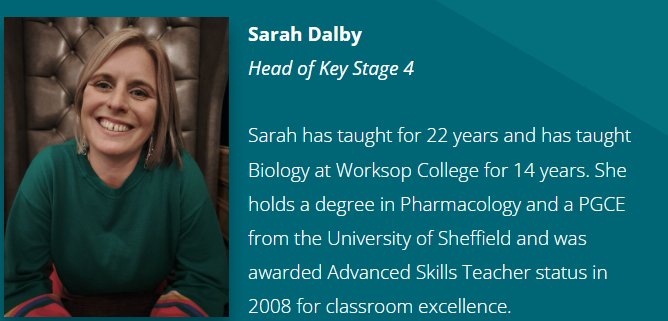
Sarah Dalby, Head of Key Stage 4, shares her advice.
Mock examinations: what is the point?
Mock examinations are an opportunity to practise for the real thing. They help pupils develop and reflect on several important skills:
- Knowledge: What do you know, and what do you still need to learn?
- Exam technique and timing: How can you make the most of the time available?
- Exam procedures and regulations: What should you expect in public examinations?
- Revision planning: How can you create an effective revision timetable?
- Managing revision around exams: How can you organise your time?
- Looking after yourself: Why are sleep, exercise, nutritious food and water important?
How to revise effectively
Step 1: Find out what you need to learn
Your teachers have put everything you need to revise for your mocks onto one sheet. Start by looking at this and identifying the areas where you need to focus.
Start with what you do not know, which may not be at the beginning of the topic!
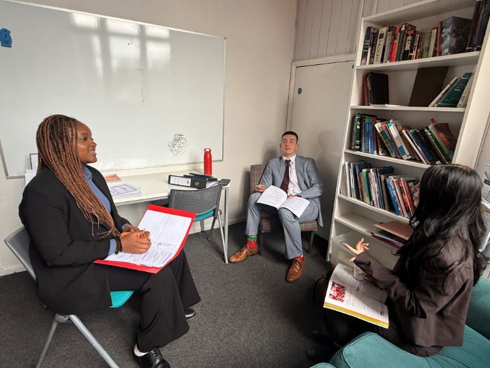
Sophia Kennedy (L6) spoke to our Fifth Form pupils last week and introduced them to a RAG rating document, which they can use to assess their knowledge:
- Red: I don't know this yet.
- Amber: I know some of this, but need more practice.
- Green: I understand this and feel confident.
Use your RAG rating to identify where to focus your revision time.
Step 2: Work out the best way to learn the material
How NOT to revise: bamboo revision
A panda needs to eat an enormous amount of bamboo to get sufficient nutritional benefit. Some revision techniques are similar: you may need to spend an enormous amount of time on them before the information really sinks in.
Examples include:
- Reading a revision guide.
- Highlighting a revision guide.
- Watching a YouTube video.
These activities can be useful for getting to grips with a topic, but they should not be the main focus of your revision.

How to revise: be active
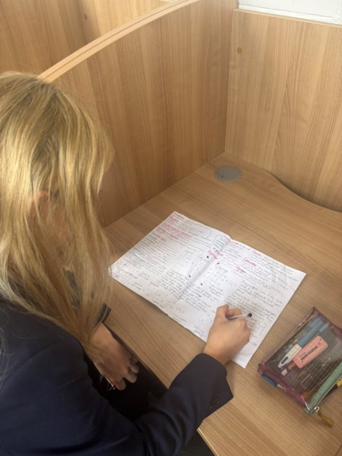
Make sure you are actively doing something, with no distractions.
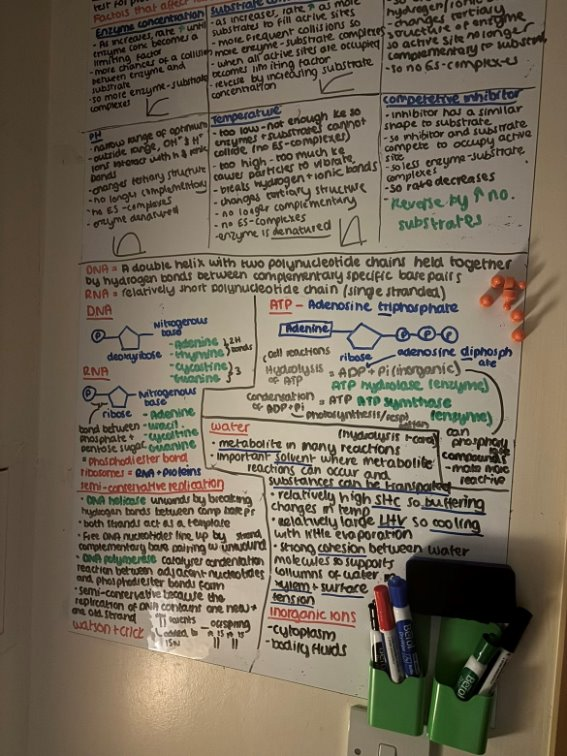
- Whiteboards and blurting: Write down everything you can remember about a topic, then check what you have missed.
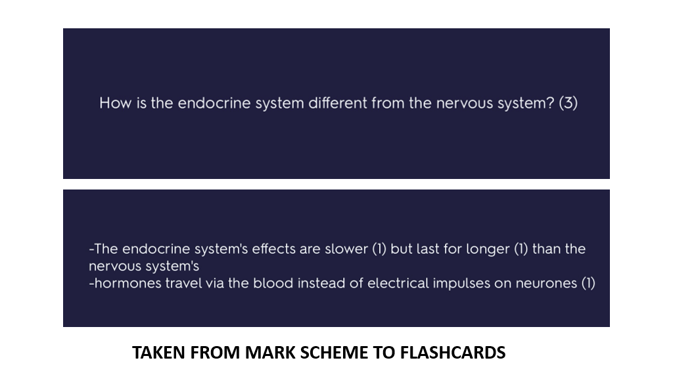
- Flashcards: Test yourself on key facts, concepts and definitions.
- Testing yourself: Ask someone else to test your knowledge, or test them in return.
- Mind maps: Organise information and show the links between different ideas.
- Practice questions: Get used to answering the types of questions you will face in the exam.
Think about learning to drive. You would not simply read or highlight a guide or watch a YouTube video before turning up for your test having never driven a car.
Revision is much the same. You need to practise what you will be doing in the exam.
Try answering practice exam questions, marking your answers, learning from the mark scheme and updating your revision resources to address any gaps in your knowledge.
How to make a revision timetable
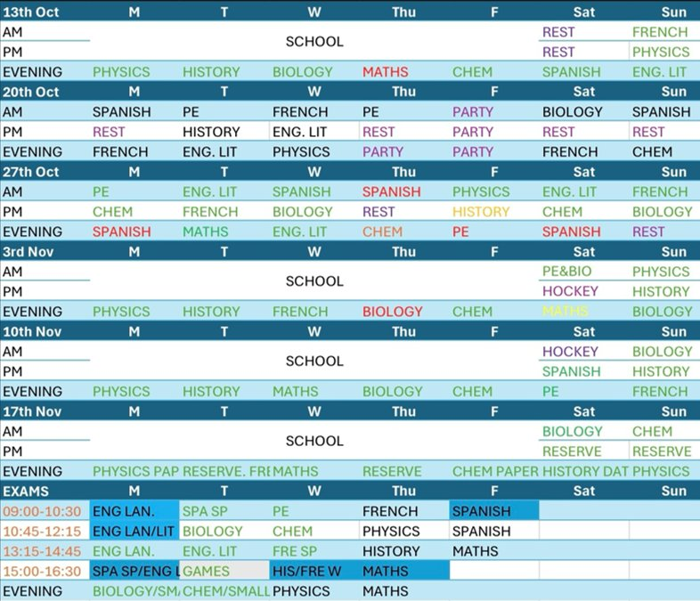
Have a plan. Before you start revising, think about three things:
- When are you going to work?
- What will you do in each session? Decide this in advance.
- Where are you going to work?
Sophia (L6) has shared an example of the revision timetable she used this time last year.
How to stay motivated, fit and healthy during exams
Looking after yourself is an important part of preparing for exams. Remember to:
- Drink plenty of water.
- Get enough sleep.
- Make time for exercise.
- Eat nutritious foods, including fruit such as blueberries, raspberries and strawberries.
Try to do something every day, even if it is just 10 minutes of flashcards in the car. Small, regular sessions can help you establish a routine and keep your revision on track.
A word of caution: AI and TikTok
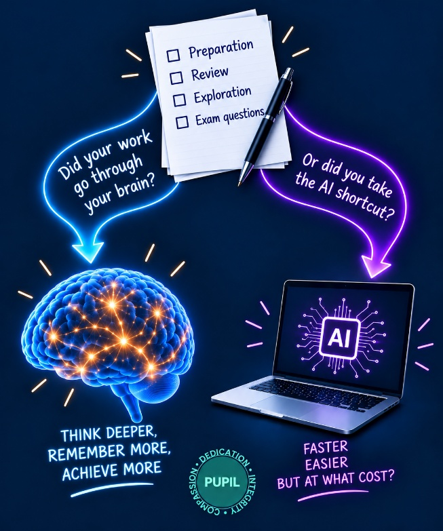
It can be tempting to use AI to help you understand exam questions. Although AI can be a useful revision tool, it needs to be used sparingly. In the real GCSEs, pupils need to be able to interpret and 'unlock' the questions themselves.
Make sure you practise working through questions independently, without relying on AI to explain them.
Learning from your mock examinations
Once your mocks are over, take time to reflect on what you have learnt from the experience.
Don't focus only on the grade. Instead, think about the following questions.
What did you learn from your mocks?
- What did you know?
- What did you not know?
- Which types of questions did you find most difficult?
Moving forward
- What have you learnt about your approach to revision?
- Did you start revising early enough?
- Did you use a revision timetable? Did it work, and what would you change?
- Which revision techniques did you find most useful?
- Which revision techniques did you find least useful?
Your real GCSE examinations start just after Easter. Think about the advice you would give yourself when preparing for them.
Consider your revision techniques, how you manage your time, how you handle stress and what you can do during the exam itself.
What will you do differently when preparing for and sitting your real GCSE examinations?
How can parents help?
Parents can play an important role in helping pupils prepare for their exams. Here are a few practical ways to help at home:
- Help your child plan a revision timetable.
- Provide a quiet space to work, free from distractions.
- Stock up on some favourite snacks and drinks.
- Buy a whiteboard to support active revision.
- Help test your child's knowledge.
- Offer treats or rewards to celebrate progress and effort.
Remember: mocks are a learning opportunity
Mock examinations are designed to help pupils practise all aspects of the exam period. Most importantly, they provide an opportunity to reflect on what works, identify areas for improvement and adjust revision techniques before the real GCSEs begin.
The more pupils learn from their mocks, the better prepared they can be for the examinations ahead.